PROCEAS® in GH2 Plants

Process Control and Purity in GH2 Plants

The realization of the importance of shifting from fossil fuels, both for environmental and energy security reasons, makes the use of green hydrogen extremely pertinent, as one of several potential low-carbon fuels that could take the place of fossil hydrocarbons in GH2 Plants.

To maintain safe operation, optimise the power to hydrogen conversion, and maximize the quality and purity of the produced hydrogen; the green hydrogen production process relies on measuring multiple parameters as extensively as possible and using the resulting data to inform GH2 Plants Operators.

AquaGas online analysers are suited to a large range of applications within the GH2 Plants providing real time gas stream composition at key locations:

  • Upstream or downstream of the electrolyser
  • At mixing stations or injection points
  • Along the natural gas pipeline
  • At customer sites just upstream of burners

When used to their full extent, the expanded capabilities offered by accurate and reliable analysers can bring real benefits by optimising efficiency and safety, and providing fast access to detailed data and an accurate real time overview of the operating conditions.

Committed to a better environment, AquaGas Pty Ltd is proud to supply and support a broad product range featuring a line of analysers and gas detection systems tailored to the GH2 industry. Already selected by several of the main actors in the green hydrogen industry, AquaGas analysers offer exclusive features implemented to fullfil the needs of today’s Green Hydrogen production.

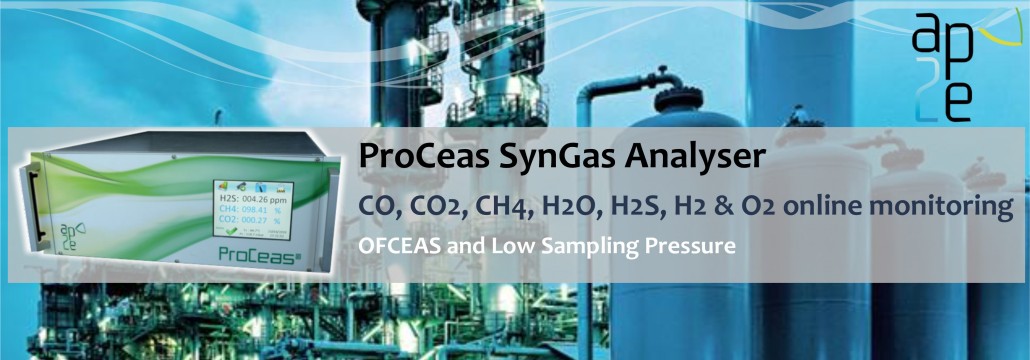
The ProCeas® multigas analyser for GH2 applications
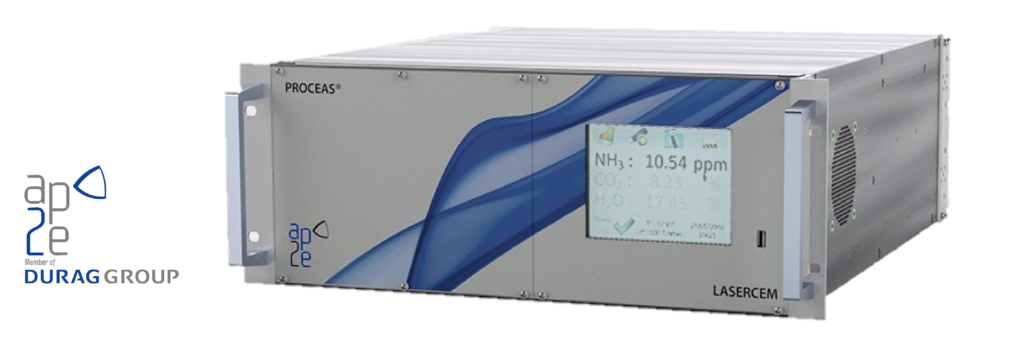
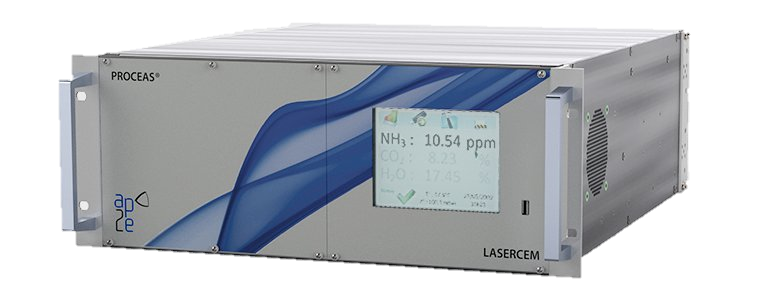
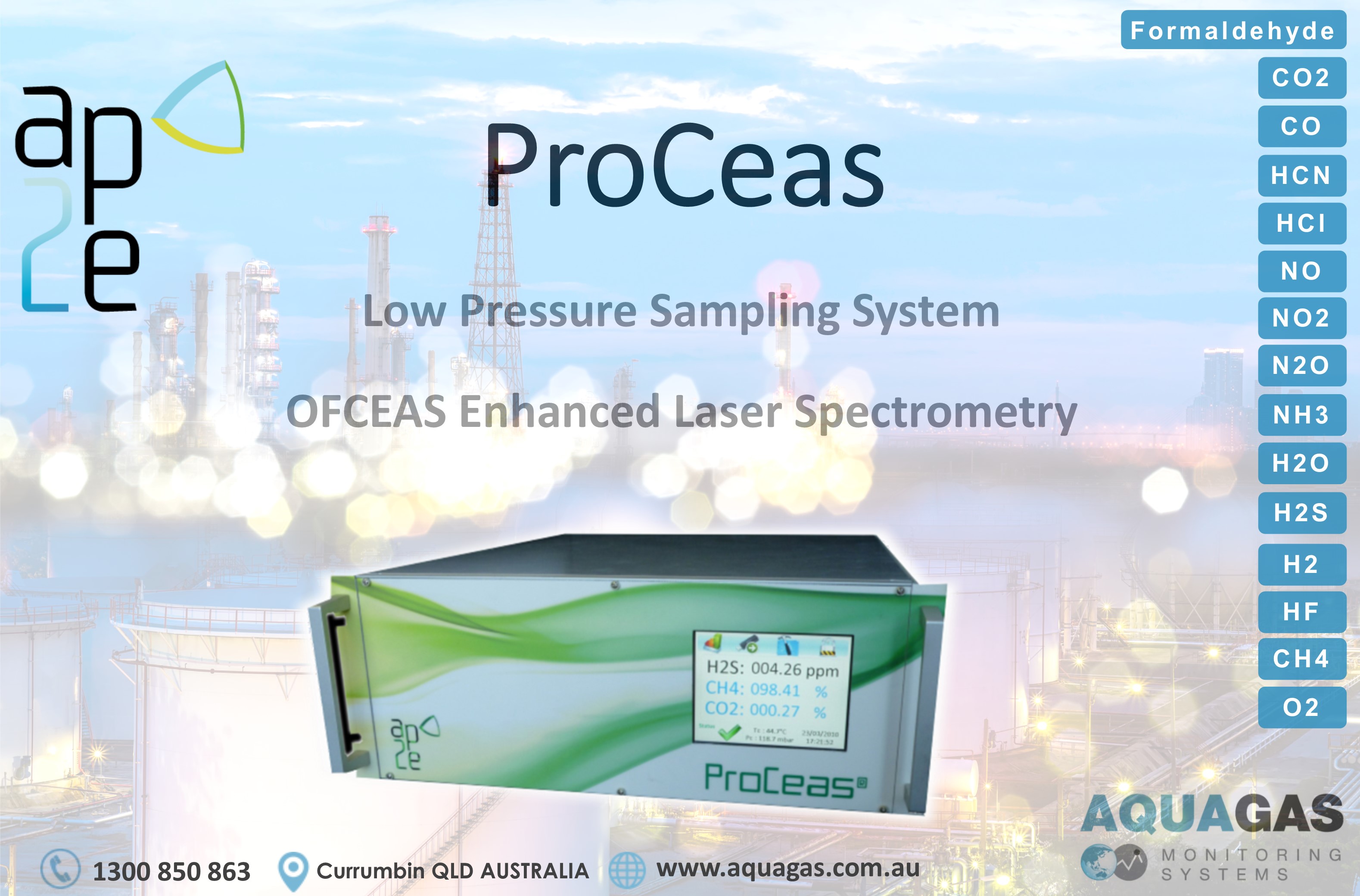
For process control and purity assessment at GH2 Plants, the ProCeas® uses the patented OFCEAS technology, based on extractive absorption spectroscopy. This laser-based technology is able to measure gases down to sub-ppb levels of concentration, with an unforeseen quality of measurement in terms of accuracy and repeatability. The ProCeas® samples the gas at low pressure, with an internal pressure below 100 mbar absolute. This dilution reduces the volume needed to get a correct measurement and optimizes the response time of the analyser. In the end the system requires small samples of hydrogen.

Additionally, ProCeas® has an integrated auto calibration of the measurement system, allowing no drift under normal use of the instrument. ProCeas® can analyse a large range of impurities with limited service and maintenance costs.

The ProCeas® Hydrogen key features include:

  • Highly sensitive
  • Low detection level (sub-ppb)
  • Complete pre-calibrated laser infra-red spectrometer
  • No Zero drift and no Span drift – No daily calibration required
  • No nitrogen, zero air, purge or other carrier gas
  • ProCeas® H2 Purity for ISO compliance monitoring (H2S, CO, CO2, CH4, O2, NH3, H2O, HCHO, etc.)
  • Process control ProCeas® H2 trace analyser (H2 and O2)
  • Limited volume of sample needed for an analysis

The field of application for fast and precise online analysers in the GH2 Plants is considerably exhaustive. Here below are two cases where online measurement of H2 and O2 is critical.

The ProCeas® H2 trace gas analyser
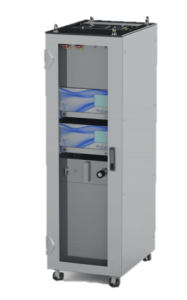
Ensure safe Electrolyse with the ProCeas® H2

At their simplest level, electrolysers produce oxygen at the anode and hydrogen at the cathode. However, many reactions in the electrolyser can cause small concentrations of oxygen to build up in the hydrogen stream and hydrogen to build up in the oxygen. This is a fault condition and must be detected by appropriate instruments that can be used as part of an automated safety system that can initiate actions in the event of an oxy-fuel gas mixing alarm being activated.

With a detection limit down to 3ppm for the H2 and 1ppm for the O2, The ProCeas® hydrogen is perfectly suited to O2 and H2 trace gas monitoring and consequently can be used to measure both traces of hydrogen in the oxygen stream and traces of oxygen in the hydrogen stream.

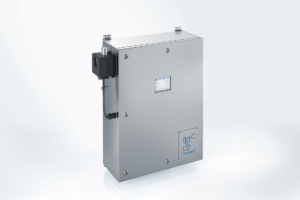
The ProCeas® H2 Purity
Keeping production up to standard with the ProCeas® H2 Purity

As a multi-stage process, green hydrogen production requires accurate measurement of a variety of parameters to ensure safe and efficient operation. ISO14687-2 stipulates the impurities that need to be measured and their respective limits throughout the various stages of the production process to help maintain control and avoid potential issues that could affect efficiency or safety.

ProCeas® hydrogen purity is a complete pre-calibrated multicomponent (H2S, CO, CO2, CH4, H2O, O2, NH3, H2O, HCHO, etc.) laser infrared spectrometer for measurements of impurities in hydrogen gas streams.

COMPONENTISO 14687-2 LIMITS
(ppm)
LOD ProCeas®A
(ppm)
H2050,01
CH420,001
O251
CO220,2
CO0,20,001
H2S0,0040,001
HCHO0,010,001
HCO2H0,20,005
NH30,10,001
HCL0,050,001

IEC conformity

AquaGas analysers for the GH2 industry complies in all aspects with the IEC60079-2 standards. AquaGas online analysers for the GH2 industry are available in Purged and Pressurised (P&P) enclosure or IECEx certified version.

AquaGas is supporting the global industrial community with high performance environmental and process monitoring systems (Continuous Emissions Monitoring Systems, Air Quality Monitoring Systems, Online process analysers, Water Quality Monitoring Systems and tunnel sensors) specifically designed and built to meet your application requirements.
GREEN HYDROGEN [GH2]

Green hydrogen (GH2) is hydrogen that is  generated by renewable energy or from low-carbon power. One of the paths to near-total decarbonization is supplying the whole energy system using clean renewable power combined with low-carbon fuels. Hydrogen is an important component of global efforts around the world to de-carbonise the energy sector.

The realization of the importance of shifting from fossil fuels, both for environmental and energy security reasons, makes the use of green hydrogen extremely pertinent, as one of several potential low-carbon fuels that could take the place of fossil hydrocarbons.

The affordability of renewable energy resources as well as the developments in electrolysis technology increase the potential of “green hydrogen” as a clean and sustainable form of fuel production. The global hydrogen production is set to more than double in the decade between 2020 and 2030, from 70 million tons to 170 tons. Projections beyond 2030 point to a further increase as production technologies become more efficient and production costs fall.

GH2 is a versatile form of energy

Green hydrogen produced by the electrolysis of water may be used to decarbonize sectors which are hard to power from any energy other than fossil fuels, such as steel and cement production, and thus help to limit climate change.

Green hydrogen can be blended into existing natural gas pipelines, and used to produce green ammonia, the main constituent of fertilizer production. Green hydrogen can transform into many different types of energy, including electric and synthetic gas for heating, powering electronics, fuelling vehicles. Right now, the most common uses of green hydrogen energy are oil refining, steel manufacturing, ammonia production and food processing.

Hydrogen is abundant, it’s easier to store and provides a better efficiency than other energy sources.

Producing GH2

Key to the production of green hydrogen is the use of an electrolyser to split water into hydrogen and oxygen while renewable sources such as wind, solar or hydroelectric power generate the necessary power for the electrolysis process. Carrying out large scale electrolysis as needed to provide the quantities of hydrogen to overcome the growing energy demand presents several challenges.

It is obviously imperative that the entire production chain is monitored continuously for process control and safety. That includes maintaining optimal electrolyser performance, as well as avoiding potentially explosive leaks. Hydrogen affects the BTU value of the natural gas, therefore measuring the amount of hydrogen present in natural gas is critical for utility companies, industrials, pipeline distribution network, and of course the end user.

GH2 process monitoring and control

Plant performance, energy consumption, production rates, purity and storage are among the key performance indicators (KPI) for hydrogen production which require visibility to ensure efficient production.

To maintain safe operation, optimise the power to hydrogen conversion, and maximize the quality and purity of the produced hydrogen; the green hydrogen production process relies on measuring multiple parameters as extensively as possible and using the resulting data to inform Plant Operators.

Today’s online measurement technologies provide greater accuracy, range and depth of information that can be used to assess both process performance and the status of the plant, especially important in preventing unexpected problems such as faults or failures in safety-critical applications.

AquaGas commitment

The green hydrogen revolution begins with measurement

Committed to a better environment, AquaGas Pty Ltd is proud to supply and support a broad product range featuring a line of analysers and gas detection systems tailored to the GH2 industry. Already selected by several of the main actors in the green hydrogen industry, AquaGas analysers offer exclusive features implemented to full fil the needs of today’s Green Hydrogen production.

As a way of optimizing process performance, AquaGas online analysers are already playing a role in exploring the potential of green hydrogen as a plentiful and sustainable energy source.

AquaGas monitoring solutions provide meaningful real time information, improve overall hydrogen usage to reduce costs and ensure process optimization. Knowing GH2 composition in real time allows operators to make continuous adjustments that optimize hydrogen production and usage while ensuring safe operations.

Field of Applications

AquaGas online analysers are suited to a large range of applications within the GH2 industry providing real time gas stream composition at key locations:

  • Upstream or downstream of the electrolyser
  • At mixing stations or injection points
  • Along the natural gas pipeline
  • At customer sites just upstream of burners

When used to their full extent, the expanded capabilities offered by accurate and reliable analysers can bring real benefits by optimising efficiency and safety, and providing fast access to detailed data and an accurate real time overview of the operating conditions.

As in any industrial processes, gauging performance and identifying potential areas for improvements in the green hydrogen production process relies on accurate monitoring and plant feedback.

The field of application for fast and precise online analysers in the GH2 industry is considerably exhaustive. Here below are three cases where online measurement of H2 and O2 is critical.

AquaGas Monitoring Solutions for the GH2 Industry

Keeping an eye on gas quality

Having the hydrogen and oxygen measurements available in real time ensures greater predictability and also facilitates proactive maintenance, allowing process problems to be resolved before they escalate.

The SmartCEMS GH2 is a powerful and reliable process analyser for GH2 plants. It features the integration of TCD and Paramagnetic cells for online measurement of H2 and O2 across 0-100% range with a precision of 0.01%. The SmartCEMS is a cost-effective and versatile monitoring system for process control. Polyvalent and modular, its associated sampling system has a large selection of options and configurations to cover an extensive range of application criteria.

Ensure safe Electrolyse

At their simplest level, electrolysers produce oxygen at the anode and hydrogen at the cathode. However, many reactions in the electrolyser can cause small concentrations of oxygen to build up in the hydrogen stream and hydrogen to build up in the oxygen. This is a fault condition and must be detected by appropriate instruments that can be used as part of an automated safety system that can initiate actions in the event of an oxy-fuel gas mixing alarm being activated.

The ProCeas® H2 is a multigas spectrometer designed for trace gases monitoring in GH2 and H2 gas streams. With a detection limit down to 3ppm for the H2 and 1ppm for the O2, The ProCeas® hydrogen is perfectly suited to O2 and H2 traces monitoring and consequently can be used to measure both traces of hydrogen in the oxygen stream and traces of oxygen in the hydrogen stream. 

Keeping production up to standard with the ProCeas

As a multi-stage process, green hydrogen production requires accurate measurement of a variety of parameters to ensure safe and efficient operations. ISO14687-2 stipulates the impurities that need to be measured and their respective limits throughout the various stages of the production process to help maintain control and avoid potential issues that could affect efficiency or safety.

ProCeas® hydrogen purity is a complete pre-calibrated multicomponent (H2S, CO, CO2, CH4, H2O, O2, NH3, H2O, HCHO, etc.) laser infrared spectrometer for measurements of impurities in hydrogen gas streams. ProCeas® hydrogen purity empowers trouble-free compliance to ISO14687-2.

IEC conformity

AquaGas analysers for the GH2 industry complies in all aspects with the IEC60079-2 standards. AquaGas online analysers for the GH2 industry are available in Purged and Pressurised (P&P) enclosure or IECEx certified version.

AquaGas is supporting the global industrial community with high performance environmental and process monitoring systems (Continuous Emissions Monitoring Systems, Air Quality Monitoring Systems, Online process analysers, Water Quality Monitoring Systems and tunnel sensors) specifically designed and built to meet your application requirements.
AquaGas Pty Ltd – Enews November 2016

We are delighted to announce the recent acquisition of several major projects in the field of Continuous Emissions Monitoring (CEMS) and industrial process control.

prony_energie

Continuous Emission Monitoring System

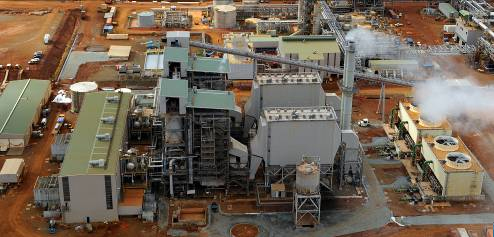
Prony Power Station in New Caledonia

AquaGas Pty Ltd, has been awarded a major contract for the supply, integration, installation and commissioning of two complete CEMS (Continuous Emission Monitoring System) used for compliance stack emissions monitoring of Prony Power Station located at one of the largest mining facilities located in southern hemisphere.

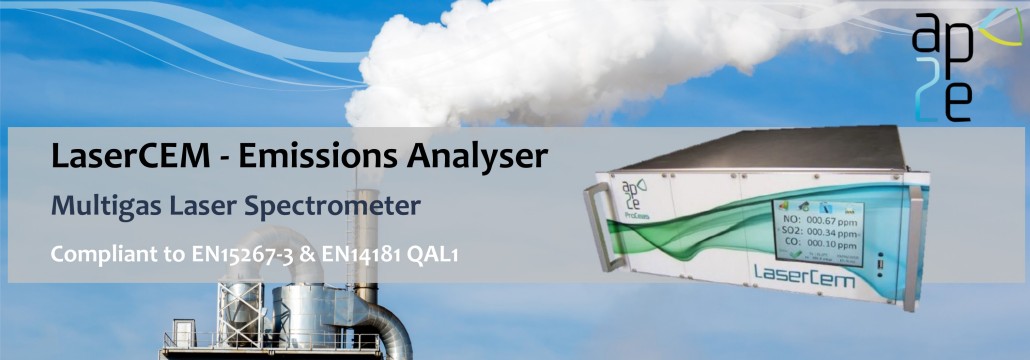
In this project, AquaGas has selected the LaserCEM (AP2E) and DR-320 R (DURAG) as the most suited technologies with regards to the application requirements and harsh monitoring conditions, providing the plant operator ENERCAL with the last generation of CEMS multigas analyser and dust monitors for online analysis of Particulates, HCl, SO2, NO, NO2, CO, CO2 and O2 at their two coal fired boiler facilities.

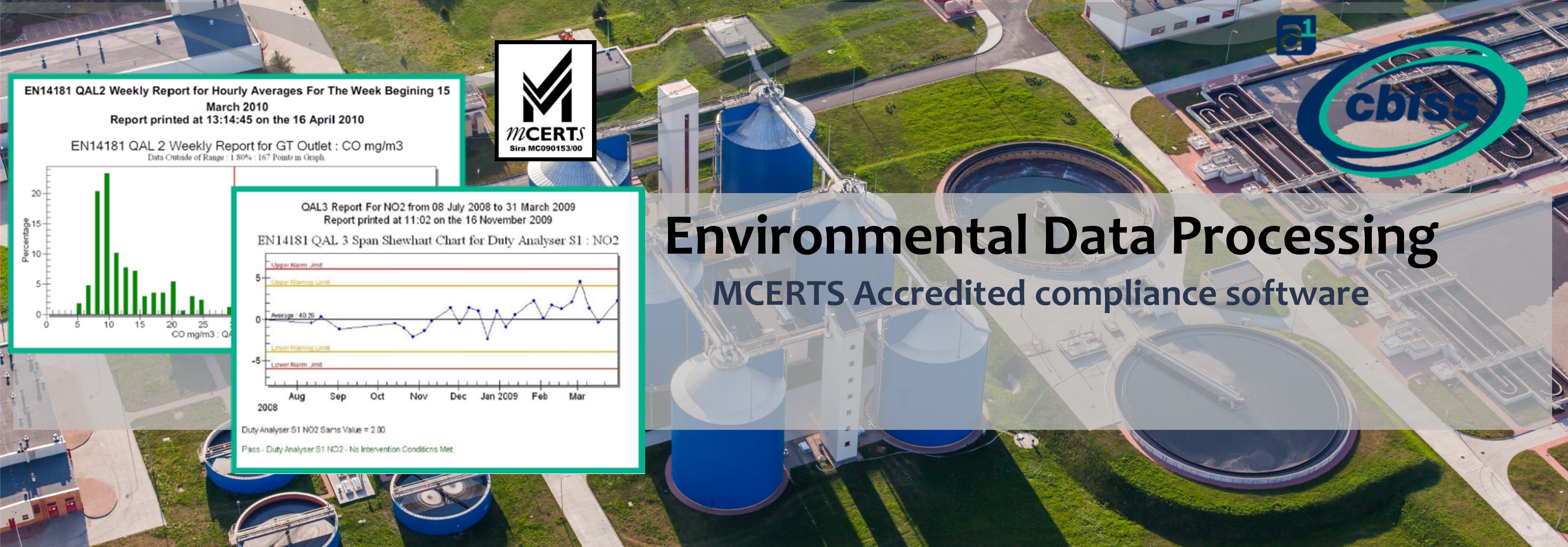
AquaGas scope also includes CDAS, Mcerts certified and state of the art data acquisition and reporting software suite. The CDAS software package ensures strict emissions reporting and clear environmental compliance.

The strong partnership with AP2E, expert in Laser Spectroscopy, and DURAG specialised in the field of environmental monitoring and process control has led to this first shared success, the acquisition of a capital reference for the LaserCEM in the field of power generation while enforcing AquaGas position in Oceania.

Prony Power Station is located on VALE mining site providing access to large port facilities for the supply of combustible. It consists of two 55 MW Alstom boilers (203 t/h – 87 bars – 515°C) equipped with Alstom turbines (85 bars – 500°C) and alternators (59 MVA – 11 kV) providing power for both the public demand and the needs of the large Nickel mining facilities.

Located close to the site and focused on customer satisfaction, AquaGas has implemented an efficient transfer of knowledge to the plant owner as well as to the local company ROBICAL assigned for the CEMS routine maintenance.

bn-hp826_0327ch_j_20150327044108

Continuous Emission Monitoring System

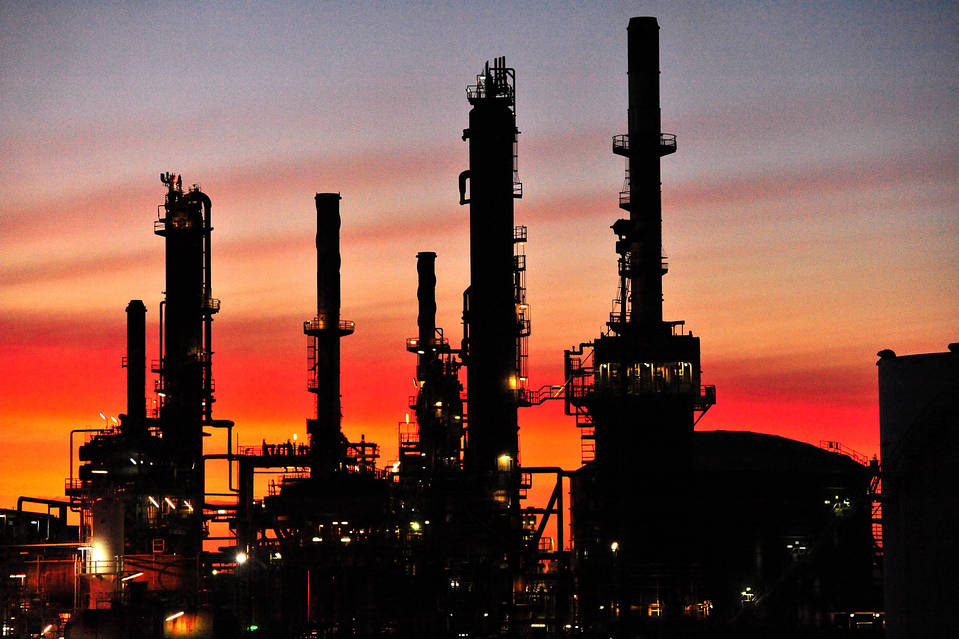
Caltex Lytton refinery in Australia

Caltex has recently approached AquaGas to perform a system expertise at their Lytton refining facilities near Brisbane.

The difficulties experienced by Caltex with their CEMS (Continuous Emission Monitoring System) had been related to the existing sampling method and resulted in a high maintenance level and unreliable monitoring operations.

Thanks to the customer feedback and following a couple of site visits, AquaGas has identified several ways to optimise the existing CEMS (Continuous Emission Monitoring System) sampling method. In order to secure the data availability and keep the maintenance requirements to their minimum, AquaGas Pty Ltd has supplied, integrated and installed a set of heated gas sampling probes:

  • ASP300

    At the boiler facilities, the ASP300 fitted with automatic blowback, calibration port in accordance with CEMS standards and a continuous soot removal system.

  • ASP400

    For the Thermal Oxidiser, the ASP400 equipped with automatic blowback, calibration port in accordance with CEMS standards and designed to handle high dust load as well as elevated process gas temperatures.

Both the ASP300 and ASP400 provide the plant operator with application specific features and innovative design resulting in a series of advantages:

  • Programmable back-flush sequences,
  • Calibration as per CEMS code,
  • Extended filtration surface,
  • Flue gas temperature measurement
  • Insitu filters – The ASP’s allows the inspection of the Insitu or “top filter” without the need for dismounting the probe (No fitters required for inspection or maintenance).
  • Adjustable temperature set point (set at 190 degree Celsius)
  • Continuous and automated soot removal performed directly at the sampling point

For further information on Ankersmid Gas Sampling probes, you can visit our website: www.aquagas.com.au.

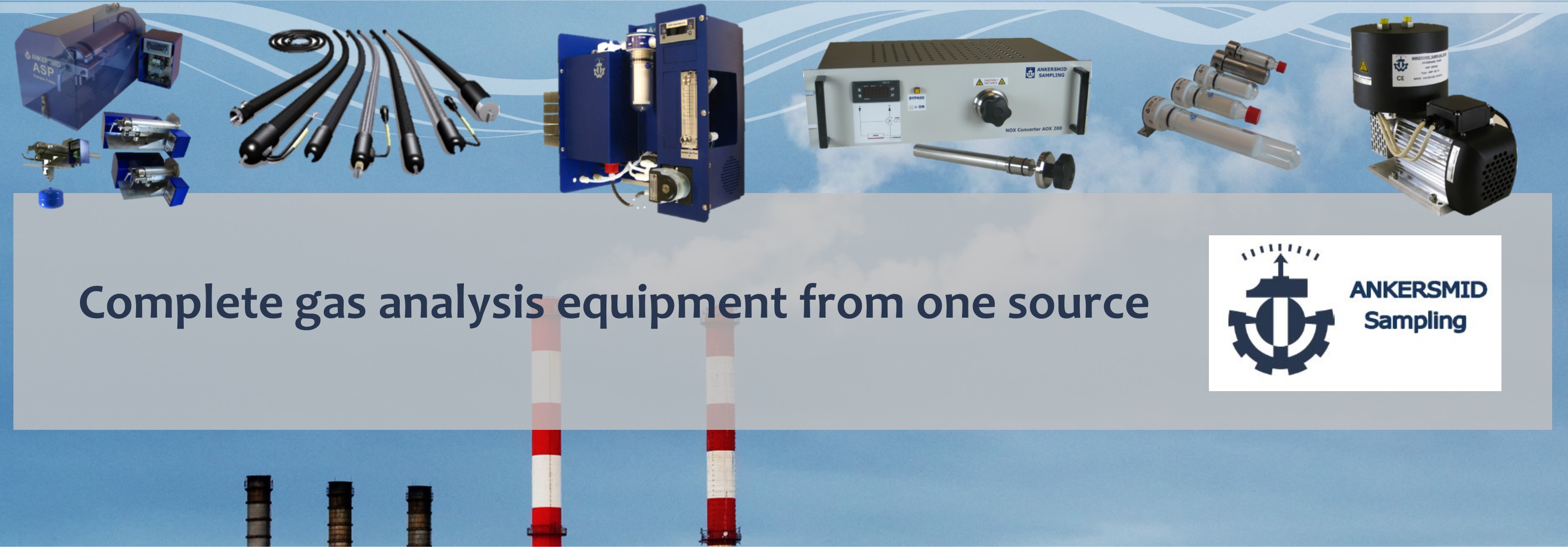
Ankersmid Sampling

  • Universal

    CEMS integration made easy

  • Performant

    Field proven, high quality, durable Ankersmid Sampling BVBA patented designs

  • Modular

    Comprehensive range of gas sampling equipment from one source

  • Efficient

    Easy to install, maintain and operate

AquaGas is supporting the global industrial community with high performance environmental and process monitoring systems (Continuous Emissions Monitoring Systems, Air Quality Monitoring Systems, Online process analysers, Water Quality Monitoring Systems) specifically designed and built to meet your application requirements.
Indoor air quality


Air Quality in Submarines


The ProCeas® NAV

The ProCeas® NAV is designed for online monitoring of CO2, CO, Freon, H2S, H2, O2, Formaldehyde (…) in nuclear and conventional submarines. The ProCeas® NAV uses the OFCEAS method commercialized by Ap2e of France.

The OFCEAS system uses a high-finesse optical cavity to provide path lengths of tens of kilometres. Moreover the OFCEAS technology can also, in certain configurations, take advantage of broadband light sources to provide multi-component analysis, while offering improved sensitivity when compared with shorter path-length methods, such as Tunable Diode Laser absorption spectroscopy (TDLAS).

ProCeasNAV-indoor air quality in submarines

The ProCeas® NAV analyser has been designed to endure large temperature variations, high vibrations and englobes all criteria required by the military environment to assure long-term crew member health in a confined environment.

Some of the gases and measuring ranges available on the ProCeas® NAV are:

Carbon Monoxide CO: 0-1000 ppm – Lower Detection Limit: 1 ppm

Carbon Dioxyde CO2: 0-5% – Lower Detection Limit: 0.01 %

Hydrogen Sulfide H2S: 0-10 ppm – Lower Detection Limit: 0.1 ppm

Freon; R134a and R404: 0-1000 ppm – Lower Detection Limit: 2 ppm

Ethanol C3H6O 0-2000 ppm – Lower Detection Limit: 4 ppm

General characteristics

Response time < 10 sec

No Zero drift and no Span drift – No daily calibration required – No nitrogen, zero air, purge or other carrier gas.

Weight 15 to 20 kg

Dimensions 480 x 240 x 150 cm

Formaldehyde in Indoor Air


ProCeas® Formaldehyde at HUTCHINSON

As per the international OH&S regulations on Formaldehyde, Hutchinson, subsidiary of TOTAL, evaluated several technologies to implement continuous real-time monitoring of Formaldehyde at their Plant facilities.

The ProCeas® has been selected by Hutchinson as the technology the most suited to their monitoring needs in terms of response time, accuracy and flexibility around the integration within the mainstream of their installation.

Hutchinson uses the ProCeas® to measure various level of Formaldehyde in the air at 3 separated sampling locations: laboratory, offices & entrance hall.

ProCeas-INDOOR-AIR-QUALITY

ProCeas Key features

  • Low detection level
  • Complete pre-calibrated laser infra-red spectrometer
  • Reduced response-time with Low pressure sampling system
  • Suitable for a wide range of components in ambient air: NH3, O2, H2, H2S, HCFC, VOCs, (…)

Example of performances for the Formaldehyde

Measuring range: 0-10 ppm (up to 1%)

Lower detection limit: 1 ppb – (10 ppm at 1%)

Response time 2s

No Zero drift and no Span drift – No daily calibration required – No nitrogen, zero air, purge or other carrier gas.

Area Monitors for Sterilant Gas

Hazards of sterilant gases

Since sterilant gases are selected to destroy a wide range of biological life forms, any gas which is suitable for sterilisation will present a hazard to personnel exposed to it. The NIOSH Immediately Dangerous to Life and Health values (IDLH) for the three sterilant gases are 800 ppm, 75 ppm and 5 ppm for ethylene oxide, hydrogen peroxide and ozone respectively.

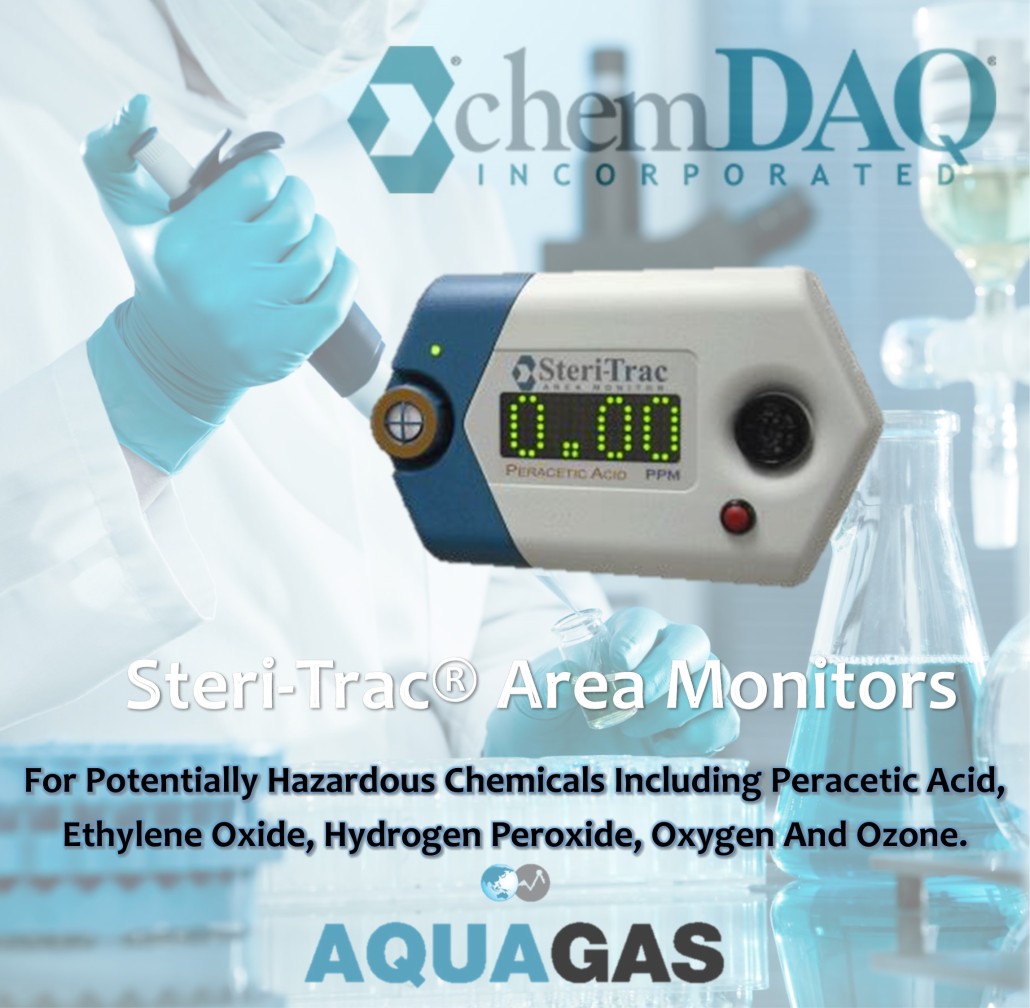
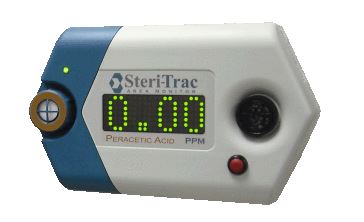
For comparison, the IDLH of cyanide gas (hydrogen cyanide) is 50 ppm. Thus exposure to even low levels of sterilant gas should not be treated casually and most facilities go to great lengths to adequately protect their employees. In addition sterilizers (as with any mechanical device) can and sometimes do fail and leaks have been reported. Continuous gas monitors are used as part of an overall safety program to provide a prompt alert to nearby workers in the event that there is a leak of the sterilant gas.Steri-Trac Area Monitors - sterilant gas - AquaGas

Monitoring Sterilant

The monitor alarms are typically set to warn if the concentrations exceed the OSHA permissible exposure limits (PELs), 1.0 ppm for ethylene oxide and 1.0 and 0.1 ppm for OH&S and ozone respectively. The PELs are calculated as 8 hour time weighted average values.

In addition to providing continuous monitoring, the better gas monitors include a computer based data acquisition system provides automatic data logging to assist with compliance with OSHA’s regulations and impending alarms that allow users to rectify problems before they become a hazard.

There are several technologies that are commonly used for the detection of sterilant gases, the main three being electrochemical, gas chromatography and metal oxide semiconductor. All three technologies are suitable for ethylene oxide, but only electrochemical sensors are used for hydrogen peroxide and ozone detection.

For ethylene oxide, metal oxide electrochemical sensors provide a low cost, long life detector offer very good sensitivity, fast alarm response times and small size. ChemDAQ gas monitor manufacturers mainly use electrochemical sensors for toxic gases because of their many advantages.

Electrochemical sensors have traditionally suffered from a cross sensitivity problems with other vapours (alcohols are especially troublesome in health care). Cross sensitivity results in false alarms, unnecessary evacuations and eventually a loss of confidence in the gas monitoring system.

AquaGas - ChemDag - Steri-trac

ChemDAQ has developed a proprietary chemical filter that allows the ethylene oxide to pass through but removes most common interferent gases and vapours (including carbon monoxide, ethanol and IPA). The use of this filter allow the ethylene oxide to be detected with all the advantages that electrochemical sensors have to offer, but without the problems of cross sensitivity.

Capture


AquaGas is supporting the global industrial community with high performance environmental and process monitoring systems (Continuous Emissions Monitoring Systems, Air Quality Monitoring Systems, Online process analysers, Water Quality Monitoring Systems) specifically designed and built to meet your application requirements.
OFCEAS & Low Pressure Sampling

Continuous Emissions Monitoring and Process Control

Starting in 2012, AP2E launched the industrialisation of the ProCeas® and LaserCEM® product range, the continuous and multigas analysers using OFCEAS* patented laser spectrometry. This analyser range is based on several innovations, providing very high performance in terms of response time (less than a few seconds) and great accuracy of the analyses (wide dynamic range from ppb to %):

OFCEAS, CONTINUOUS INFRA-RED LASER SPECTROSCOPY TECHNOLOGY

The ProCeas® and the LaserCEM® are based on the OFCEAS coupled to a Low Pressure Sampling LPS (100 mbar absolute) developed and patented worldwide by AP2E (France), for the online analysis of several key gases in industrial, environmental and OH&S applications. It provides measurements with a very high spectral resolution in addition to an analysis system with a simplified sampling (no heated line nor treatment of samples) and an interference-free, fast and sensitive analysis, regardless of the matrix of the gas to be analysed.

ProCeas

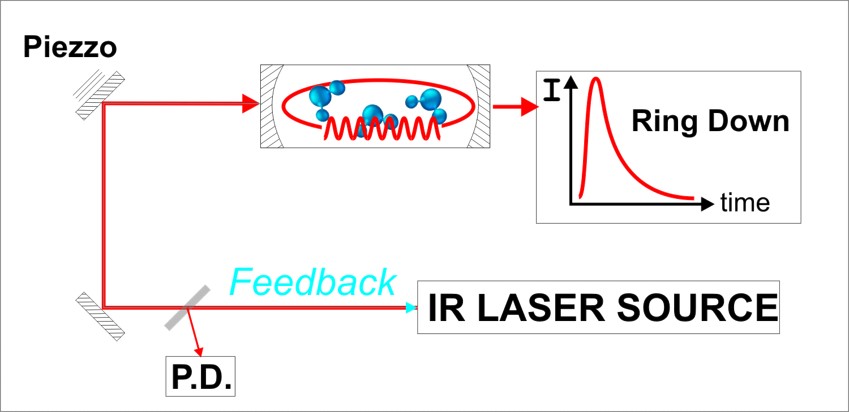
The OFCEAS technology essentially differs from the CRDS (Cavity Ring Down Spectroscopy or Spectroscopy by resonance damping time) technology by its feedback principle: a part of the emitted radiation is returned from the chamber to the laser, enabling the tuning of the laser and the cavity resulting a resonance phenomenon. With a volume of only 15 cm3, the measuring cavity or cell is equipped with mirrors whose reflectivity exceeds 99.99%, providing an optical path between 1 and 10 km (approx. 10 meters in conventional technologies). The immediate consequence of this phenomenon is the identification of very intense absorption peaks with a very narrow spectral width. Given that the source used is a continuous laser, the system presents very high measurement stability: there is no zero drift and no need for new calibrations.

LOW-PRESSURE SAMPLING SYSTEM

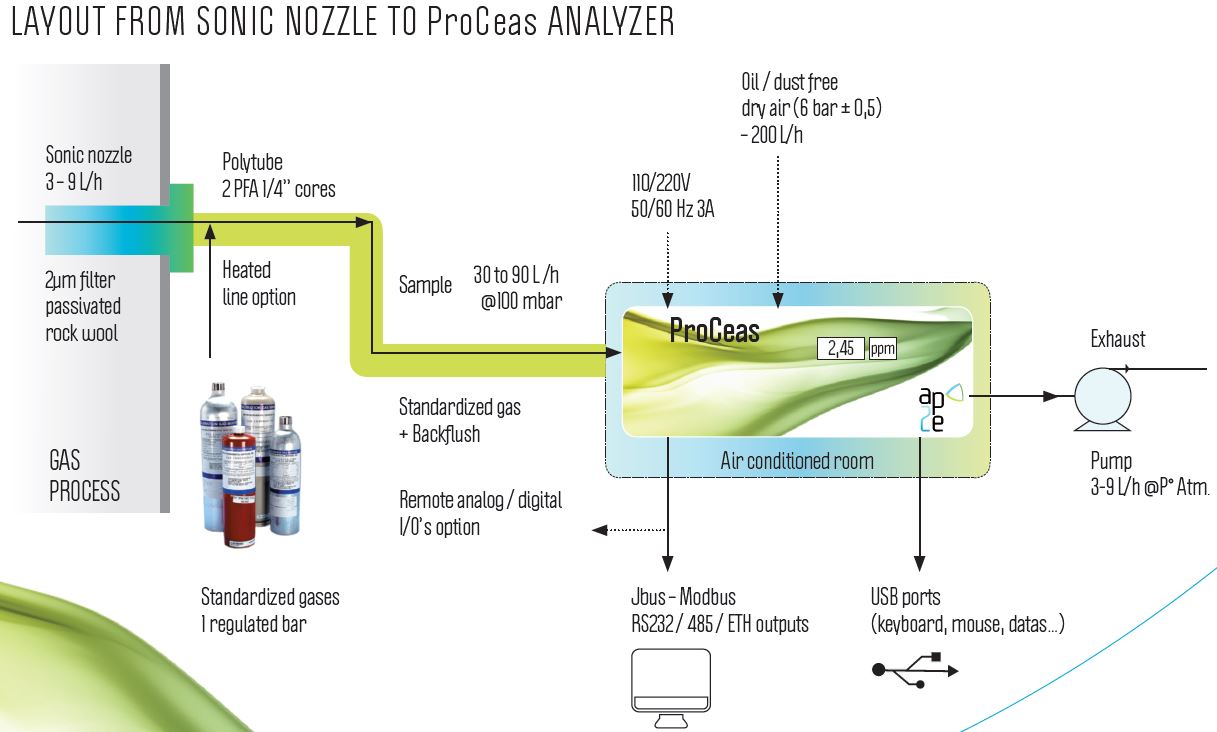
The Low Pressure Sampling (LPS) System allows reducing the sample dew point (vapour pressure) to prevent the risk of condensation. The sampling method is achieved by the use of a sonic nozzle which allows reducing the sampling pressure down to 100 mbar. In these conditions the ambient temperature is almost always above the dew point eliminating the risk of condensation.

r4

  • No Sample heated line required to eliminate condensation: low power consumption, no related ongoing maintenance
  • True Direct Extractive CEMS/Process analyser (no dryer or scrubber)
  • No risk of absorption/desorption typical of high SO2/SO3 application
  • Low pressure accentuate the gas finger print
  • Cost effective multipoint monitoring
  • Standard system comply with ATEX standards

The integrity of the sample is therefore ensured. The very low airflow ensures a verylow response time and a minimal contamination of the system.

OFCEAS Detection limits

All these points enable to both increase the detection sensitivity and  simultaneously reduce the noise, which permits the detection of gases at very low levels of sensitivity (traces of H2S – LOD under 50 ppb, or traces of H2O – under 1 ppm).

ProCeas

Complete pre-calibrated multicomponent (H2S, CO, CO2, H2, H2O, HCl, HCN, HF, N2O, NH3, O2 and CH4) laser Infrared Spectrometer designed for online monitoring of combustion process, natural gas (LNG), pure gas (trace) and ambient air (trace).


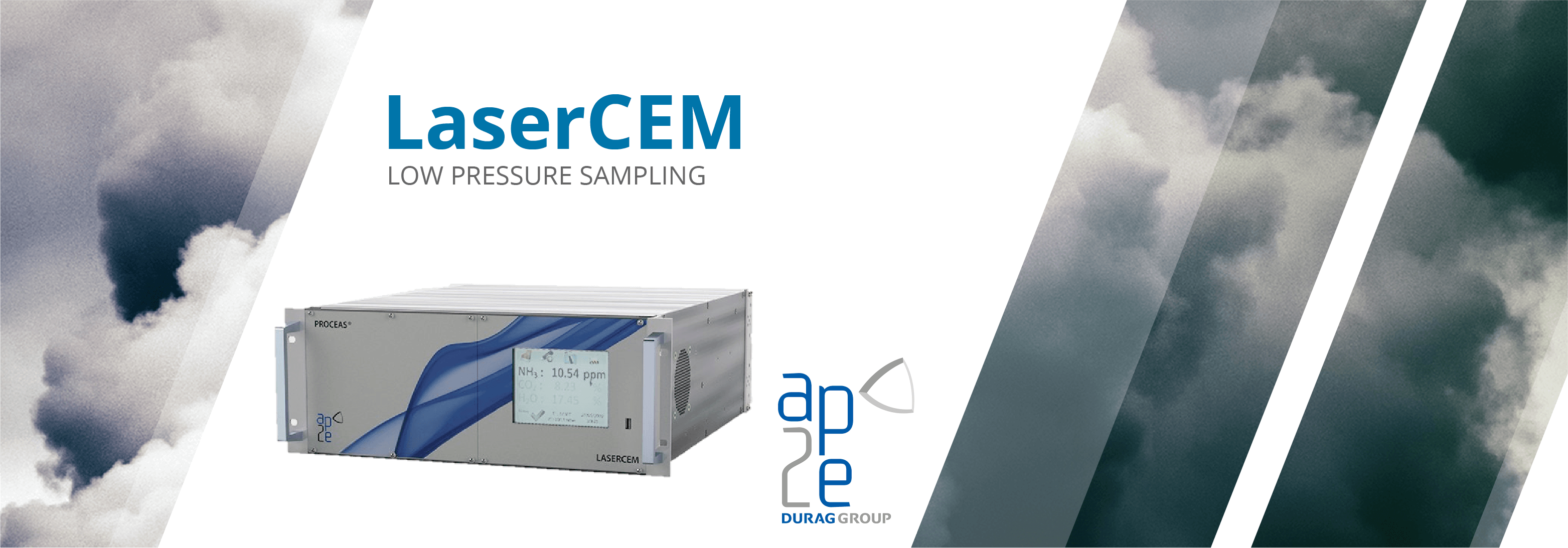
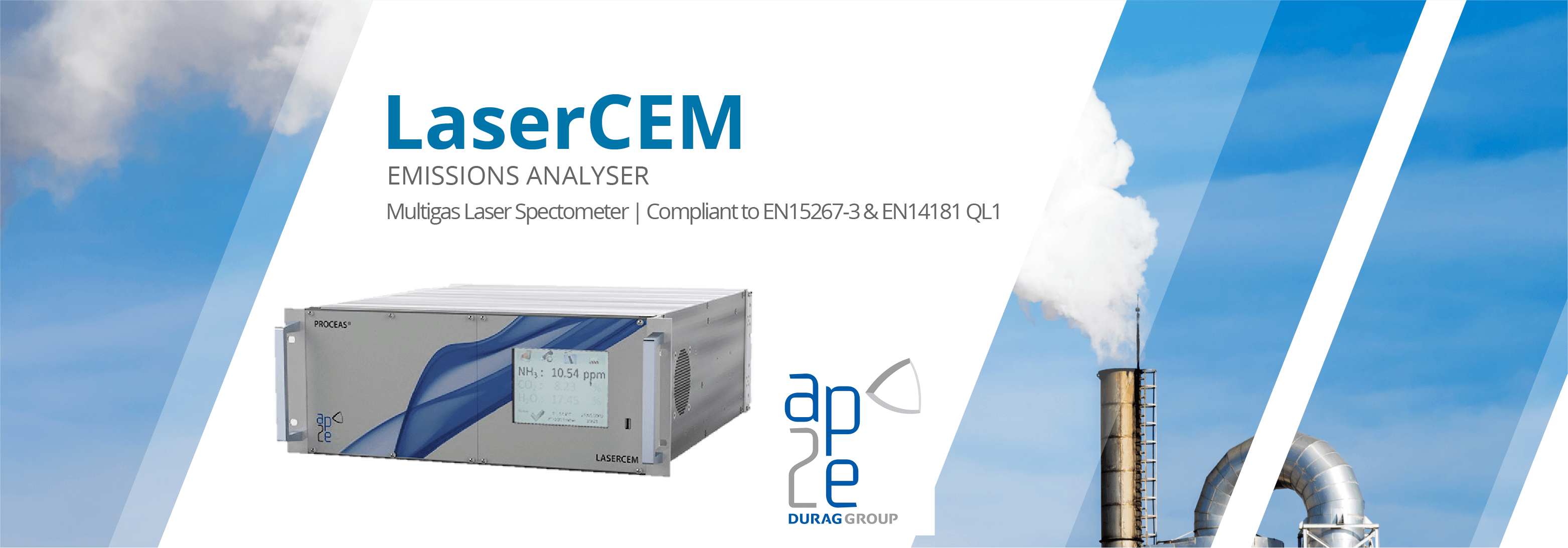
LaserCEM

The LaserCEM is a complete pre-calibrated multi-component (NO, NO2, NOx, SO2, CO, HCl, CO2, H2O, H2S, NH3, N2O, COS, SO3, CH4, HF) laser Infrared Spectrometer designed for Continuous Emissions Monitoring and compliant to standard EN 15267-3 : 2008 and QAL 1 de EN 14181 . With the announcement of the continuous measurement of SO3 (sulphur trioxide) at the exit of combustion units, AP2E represents the link from an industrial point of view between regulatory measurements (EMC) and optimizing production processes. If SO2 is now properly measured, it does not fully reflect the sulphur emissions from combustion units subject to this requirement. In the presence of oxygen, SO2 does in effect form sulphur trioxide (SO3), a gas that is much more corrosive than SO2. And other chemical phenomena occur, particularly in de-nitrification (DeNOx), which in the presence of ammonia may lead both to an over-consumption of ammonia and to filter blockages. Not measuring SO3 entails the under estimation of sulphur emissions, and also additional maintenance costs and over-consumption of reagents. To have continuous and precise knowledge of the SO2 / SO3 couple enables the operator to choose the controlling conditions for limiting the formation of SO3 and its indirect costs.

*Optical Feedback Cavity Enhanced Absorption Spectroscopy: technology developed and patented by the University Joseph Fourier (France), coupled to a Low Pressure Sampling (100 mbar absolute) developed and patented worldwide by AP2E, for the on-line analysis of different gases. By the end of 2010, after two years of R & D studies, the AP2E ProCeas® was the award recipient of the USA “R & D 100” which rewards the 100 most innovative global technologies of the year.


AquaGas is supporting the global industrial community with high performance environmental and process monitoring systems (Continuous Emissions Monitoring Systems, Air Quality Monitoring Systems, Online process analysers, Water Quality Monitoring Systems) specifically designed and built to meet your application requirements.
 

Process monitoring in biogas plants

Why is process monitoring necessary?

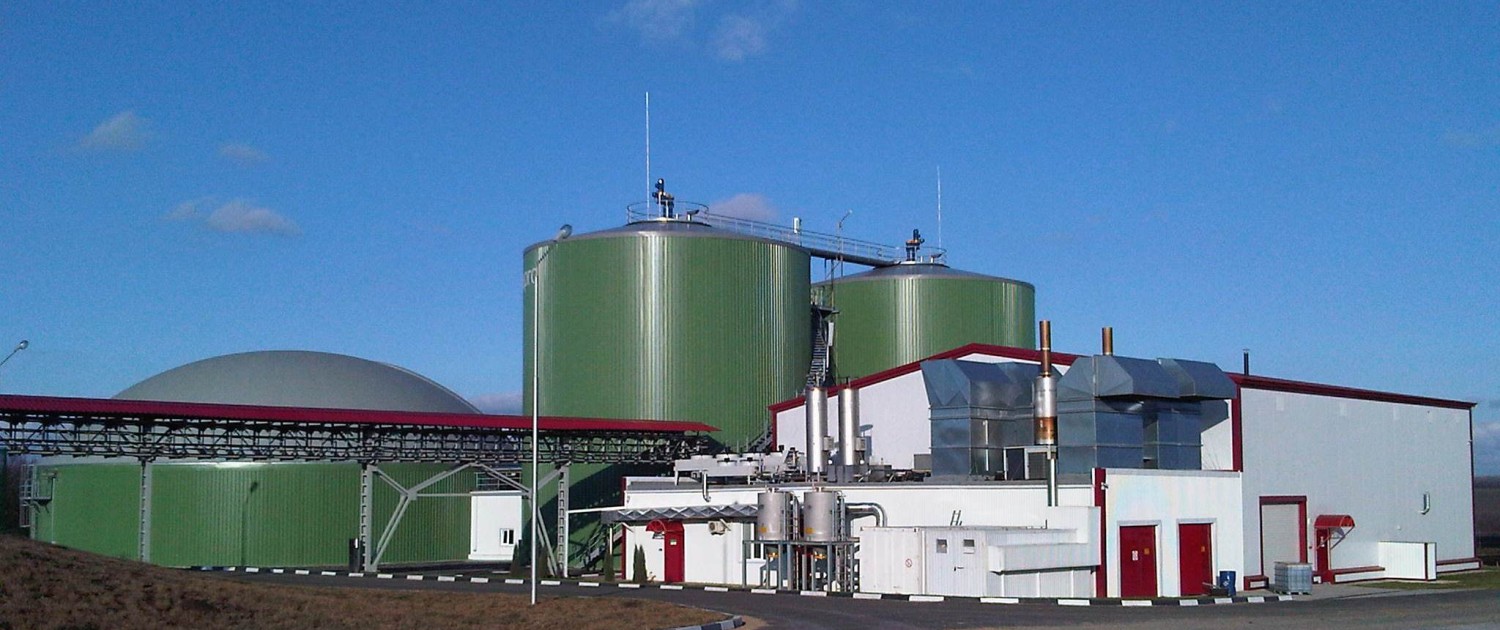
Biogas plants are biological systems involving various interacting micro-organisms that anaerobically degrade organic matter. The main product is biogas, a gas rich in methane (CH4) that can be used as a renewable fuel for vehicles or to generate heat or electricity for local use or for use via energy distribution grids.

The degradation involves four consecutive biological processes: hydrolysis, acidogenesis, acetogenesis and methanogenesis.


Wasistbiogas

If one of these processes is negatively affected in any way there is an immediate influence on the other processes and the biogas plant can become unstable. Typical process failures include, among others, organic overload, hydraulic overload and ammonia inhibition. Process monitoring can help to understand what happens in a biogas plant and help to maintain a stable process. In many cases, a strongly inhibited micro-organism population or a total crash of the whole plant can have severe financial consequences for the biogas plant operator.

In general, process monitoring in anaerobic or other fermentation processes can help to:

  • Give an overall picture of the biogas process
  • Identify upcoming instabilities in anaerobic digester before a crash happens
  • Accompany a successful start-up or re-start of a plant

The costs of online monitoring are often much lower than the costs and lost revenue associated with re-establishing a biologically destabilised plant.

For example, if a biogas plant has totally crashed it may have to be emptied and filled again with new inoculum. This, together with the necessary start-up period, means that several months can be lost during which the plant could have operated at full load. The financial consequences can be devastating for the plant operator.

Key parameters in Biogas monitoring

In biotechnological processes, the detailed monitoring of the fermentation product, in this case biogas, provides valuable information. Therefore, it is recommended to monitor both the volume of gas produced and the gas composition. With regard to process monitoring, a change in either gas production or gas composition can be an indicator of process imbalance.

Biogas primary constituents

  • CH4 and H2S measured during the methanation process give a good overall view of the performance of the degradation process and bacterial activity. A decrease in methane content can be a first sign of organic overload, provided that the feedstock mix has not recently changed. Similarly, a sudden increase in H2S can provoke process instability.
  • Simultaneous real-time monitoring of CH4, H2S and CO2 empower process automation (i.e. operation of scrubbers)
  • Before entering the distribution chain, the product must be qualified, again for economic reasons (excess H2S and/or CO2 in the CH4 would make it ‘sour’ and potentially corrosive enough to damage distribution infrastructure)
  • CH4, H2S, CO, CO2 and O2 Continuous Stack Emissions Monitoring required for environmental compliance


PROCEAS

Stationary Biogas Monitoring Systems

In general, a large variety of devices can be applied for measuring biogas production but in practice, as biogas is of variable gas composition, dirty, corrosive, wet, and produced at low pressure, measuring biogas volume and composition accurately is one of the most challenging parameters at a biogas plant. In the long run not properly designed systems can pose considerable problems due to corrosion, fouling or general deterioration when measuring raw biogas.

AquaGas Pty Ltd introduces the OFCEAS technology and Proceas BioGas analyser  designed by AP2e to address the analytical (online monitoring of biogas primary constituents) and operational (zero drift, minimum maintenance, no consumable, autonomous operation) biogas plants and methanation process monitoring requirements.
AP2e ProCeas BioGas

The ProCeas BioGas analyser features two patented technologies:

  • The OFCEAS IR Laser technology for enhanced specificity, selectivity, accuracy and stability (no instrumental response drift.):  The OFCEAS is a self-referencing spectrometer. This means that there is no need to re-analyse a zero and/or a span gas on a regular basis. The “zero” information is contained in the direct measurement spectrum while the “span” information is intrinsic to the analyser (pre-calibrated with 4 OD linear response).

OFCEAS - ProCeas BioGas

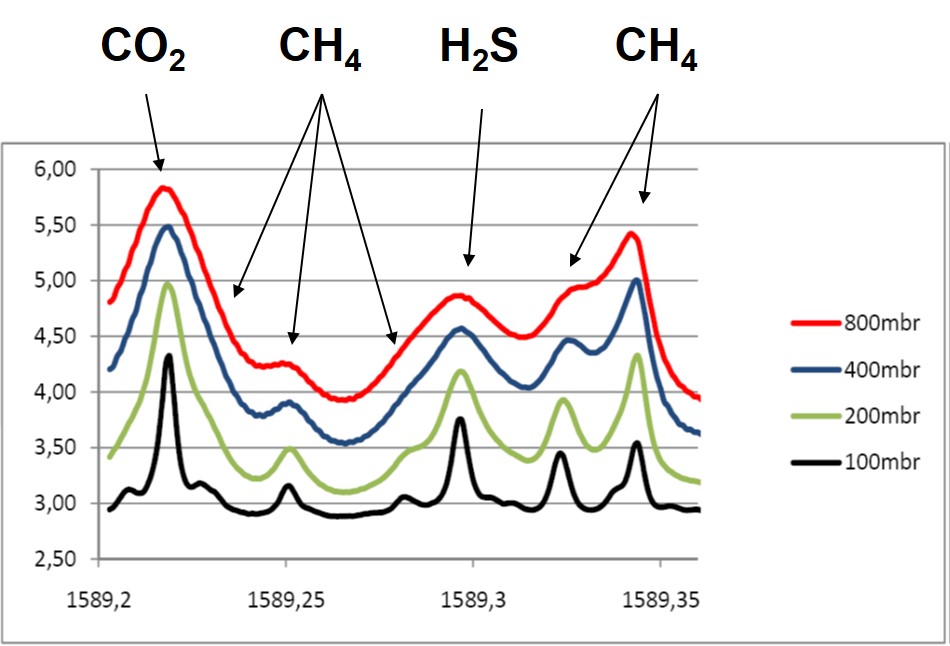
  •  The Low Pressure Sampling (LPS) system enabling low-cost installation thank to non-heated lines and reduced maintenance. Lowering the pressure of a gas sample reduces the bandwidth of the absorbance bands. At atmospheric pressure, simultaneous measurement of H2S (ppm’s) in presence of CO2 (10’s %), CH4 (10’s %) can be tainted by cross response / false positive due to spectral overlapping of CO2 and CH4 bands with H2S  information.  If operating at 100 mbar, all absorption bands have narrowed down to the point where there is no spectral overlap of the absorption bands. Cross response have been eliminated. 

OFCEAS Detection limits

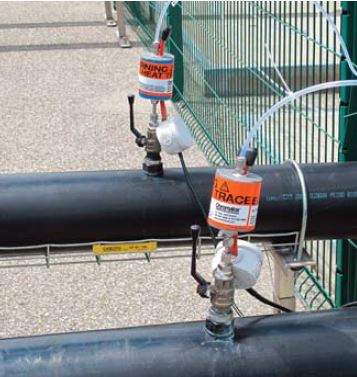
When sampling gas from landfill, anaerobic digestion/bacteria and other fermentation processes, the use of a dedicated sampling system is necessary to ensure a specific sample preparation and to preserve your monitoring equipment. Another advantage of the LPS System is the ability to reduce the sample dew point (vapour pressure) to prevent the risk of condensation. The sample extraction is achieved by the use of a sonic nozzle. The sample is taken at a very low pressure (50 to 200 mbar abs, 100mbar nominal). At 100 mbar abs. the ambient temperature is almost always above the dew point eliminating the risk of condensation.

LPS biogas sampling probe

  • No heated line required to eliminate condensation: low power consumption, no related ongoing maintenance
  • Sample does not need to be treated – True Direct Extractive CEMS and Process analyser
  • No risk of absorption/desorption

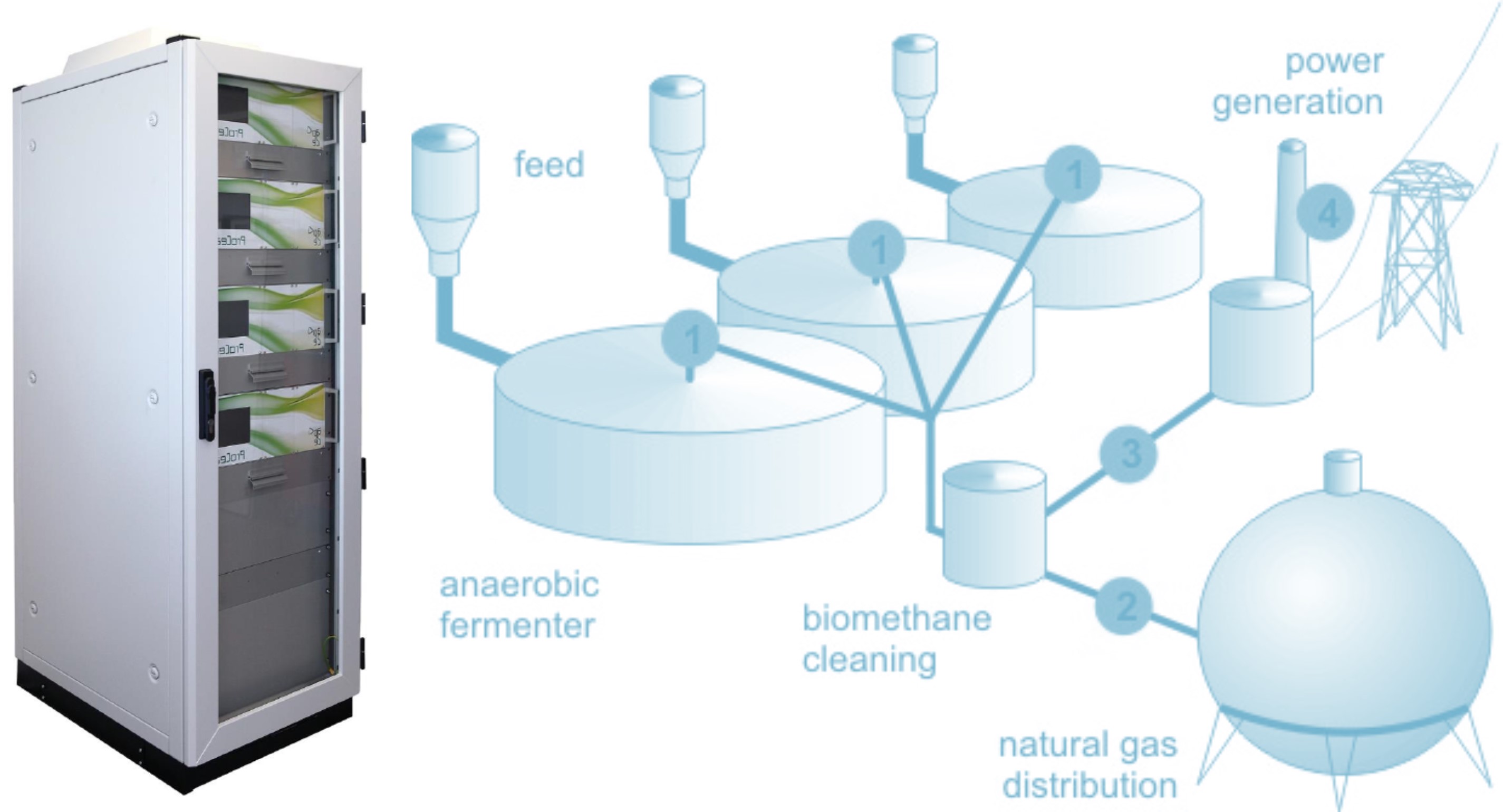
The ProCeas offers sampling solutions tailored to the needs of the biogas production industry with automated sampling sequences and multipoint monitoring enabling fast, accurate and detailed analysis at various location with a single instrument: Raw biogas (1), processed biomethane (2), vented biogas (3) and stack emissions (4).

AP2e ProCeas multistreams

The Proceas Biogas Monitoring System is a cost effective online monitoring solution offering application specific features including:

  • Field proven technologies in the Biogas production industry
  • Simultaneous measurement of all primary constituents of Biogas
  • Fully automated standalone system (automatic calibration and sampling sequences)
  • Low Pressure Sampling (no sample condensation)
  • Deep particulate filtration
  • PFA and PTFE gas path (essential to avoid loss of components of interest)
  • Fast, accurate and reliable online analysis
  • No drift or deviation therefore minimal calibration requirements
  • Low-maintenance and user friendly system
  • Site specific sampling solutions

ProCeas Layout

The ProCeas analysers are manufactured and pre-calibrated by AP2e in France. The systems are built, integrated and tested in Australia by AquaGas. Standard systems are delivered fully integrated in a 19 inch rack suitable for installation in industrial settings (indoor 15-35C). For installation in hazardous area the BioGas Monitoring System is available in ATEX certified version.


ABYSS

Portable Biogas Analyser

Ankersmid Sampling


Short term measurement during start up conditions

The start-up of a biogas plant is a very sensitive process. Due to slow multiplication of some of the micro-organisms involved in anaerobic sludge and the consequent risk of hydraulic overload, the start-up of a biogas plant can take much longer than in other biotechnological processes. A start-up time of 1-2 months is nothing exceptional in biogas plants.
Therefore, the effort in process monitoring has to be highest during start-up. If the start-up is too fast, a sub-optimal biogas process can be the consequence because the most favourable micro-organisms have not multiplied in the biogas plant. In contrast, a slow start-up can cause a possible loss of income as time is taken to reach full load capacity. The frequency of the measurements should be increased during this crucial process steps.
Poster Process Monitoring in Biogas Plants-v1

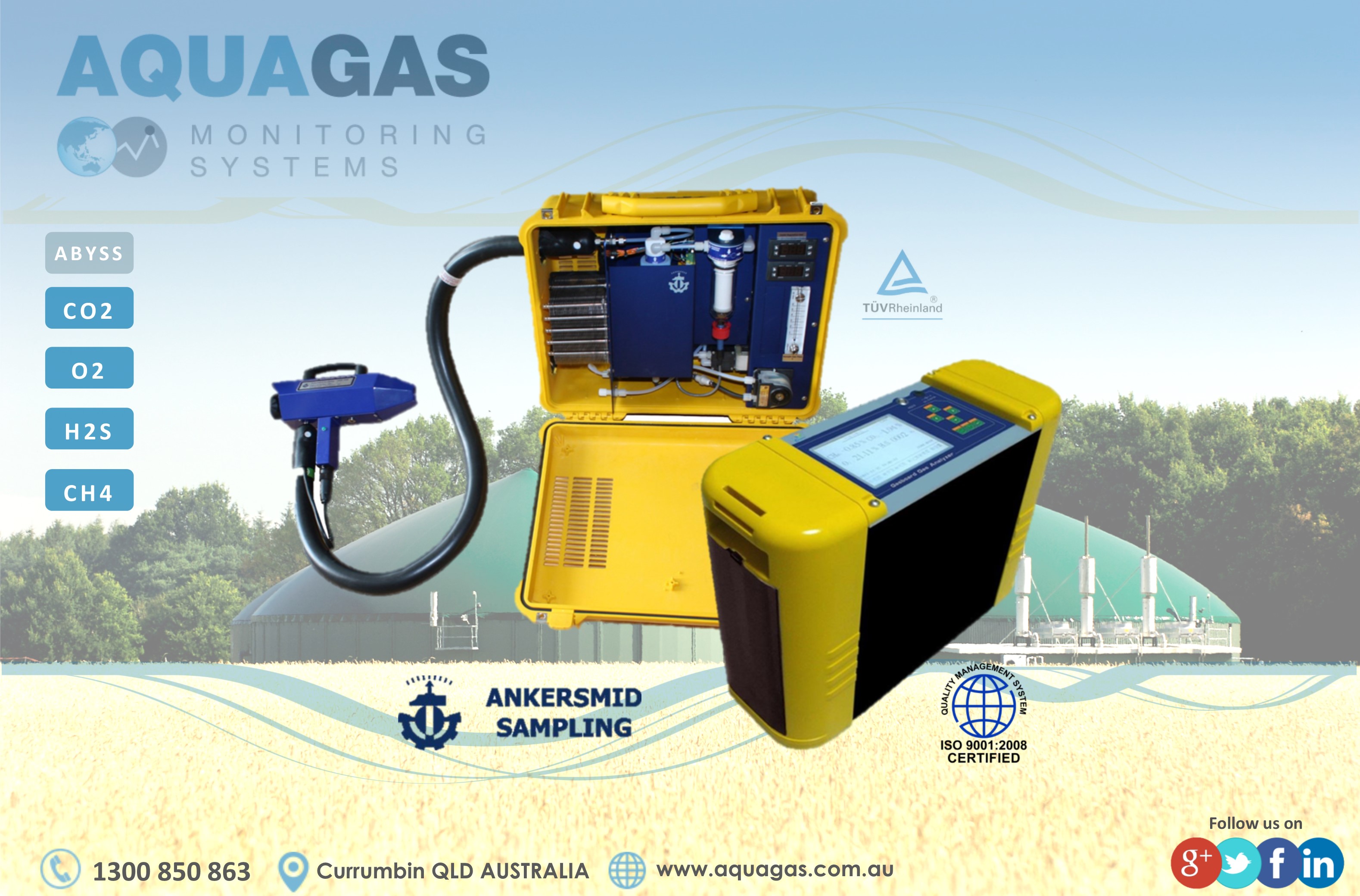
The  ANKERSMID Portable Biogas Analyser is especially designed so that detailed gas analysis can be carried out at any time in any place. The entire gas conditioning system is housed in a compact and robust carrying case which ensures that the components can be removed easily and gas analysis performed in an efficient manner: quickly, safely and with a  minimum maintenance. This system ensures reliable sample preparation without loss and prevents damage on the  analysis system used downstream.
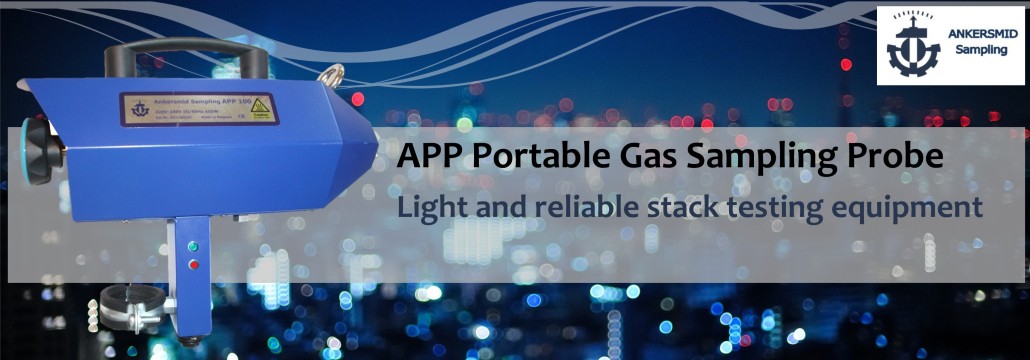
portable emissions measurement system-probe

The ABYSS Portable Biogas Analyser uses a dual beam Infra-red cell highly resistant to corrosive flue gases and harsh environments of operation.  Its light weight rugged enclosure fitted LCD screen, safety filter and Quick Connect fittings enables efficient short term measurement of emissions and process gas in waste recycling facilities, industrial fermentation plants and associated odour filtration systems.

AquaGas is supporting the global industrial community with high performance environmental and process monitoring systems (Continuous Emissions Monitoring Systems, Air Quality Monitoring Systems, Online process analysers, Water Quality Monitoring Systems) specifically designed and built to meet your application requirements.